
Emotional Metabolism
Allow emotional metabolism. Personal transformation is important to have a...
Dr. Alka Chopra Madan
October 8, 2026
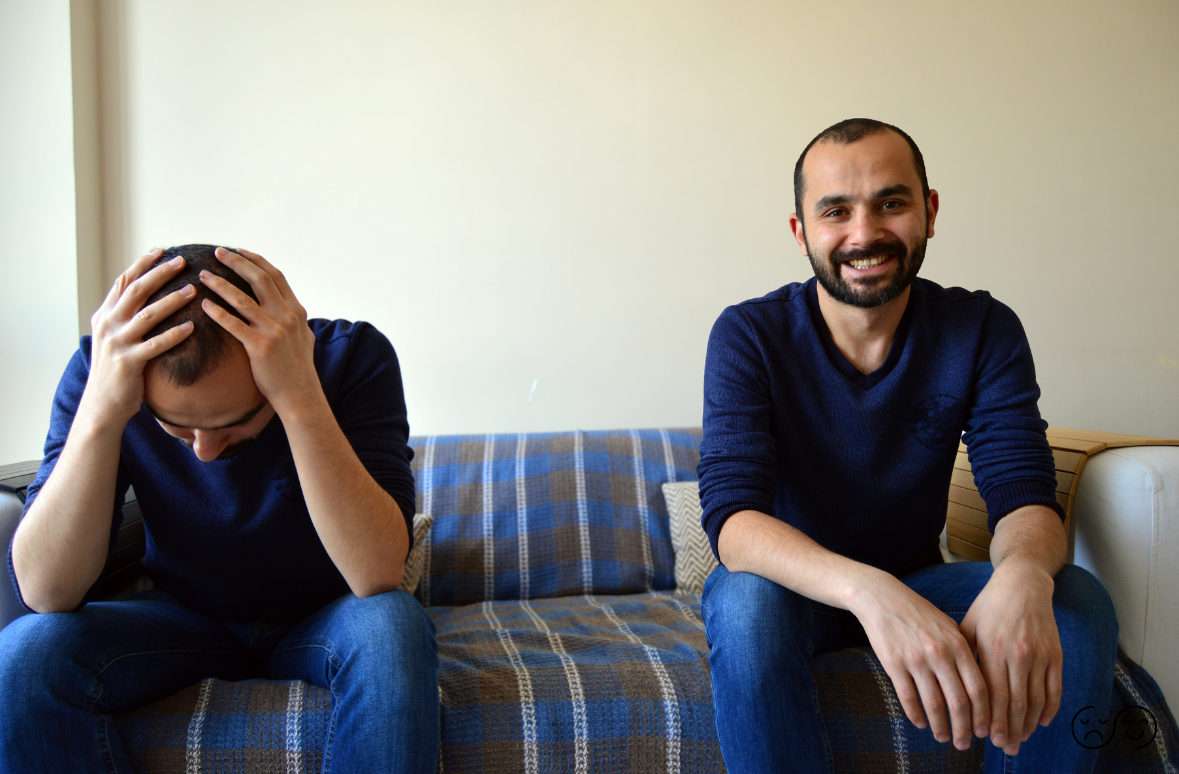
Two people can go through the exact same experience — and live completely different emotional realities. That is because we never experience life directly. We experience it through an emotional lens shaped by everything we have been through before. Change the lens—and the same life starts to feel completely different.
Rain begins to fall.
One person smiles and opens the window. Another feels irritated. A third worries about traffic. A farmer feels relief. A child runs outside laughing.
Same rain. Five completely different realities.
This simple moment reveals something that changes everything once you truly understand it:
Human beings do not experience life objectively. We experience life through emotional interpretation.
In other words, what we feel in response to an event is not the event itself. It is the event filtered through everything we have ever experienced, feared, hoped for, and been hurt by.
And Chapter 3 of AAO Part 2 asks the question that follows naturally from this:
If two people can experience the same rain completely differently, what are you experiencing life through? And what would change if that lens changed?
The book tells the story of two brothers—Daniel and Michael—who grew up in the same household in Melbourne. Same parents. Same food. Same school. Same bedroom for eighteen years.
Ask Daniel about his childhood—and he says:
“We did not have much money, but there was always laughter. Even when we ate baked beans on toast three nights in a row, Mum would say, ‘Tonight we are having a gourmet feast.’ ‘ I felt loved.”
Ask Michael about the exact same childhood—and he says:
“We were broke. Dad was always stressed about money and took it out on us. Mum pretended everything was fine, which felt dishonest. I felt invisible.”
Same household. Same parents. Same economic conditions. Two entirely different childhoods.
How is this possible?
Because each brother filtered the exact same experiences through a different emotional lens.
In other words, it was not just what happened that shaped them. It was what they made those experiences mean, deep inside themselves, based on who they already were.
In short: Two children can grow up in the same home and have completely different experiences of it—because each one is filtering reality through their own unique emotional lens.
Here is a simple example that almost everyone has experienced: You send a message. Hours pass. No reply.
Same unanswered message. Three completely different emotional universes.
The message didn’t create those reactions. The emotional lens did.
In other words—the event itself is completely neutral. It is just an unanswered message. But each person reads it through their own history—their own old wounds, their own old stories—and creates a completely different meaning.
The book tells the story of Fatima—a 34-year-old architect in Dubai.
She submitted a design proposal to her senior partner. Two days passed with no response.
By Day Two—she was convinced the proposal was terrible. That her partner was sharing it with others as an example of poor work. That her entire career was in danger.
On Day Three—her partner walked past her desk, smiled, and said, “Fatima, brilliant proposal. Sorry I have not responded—my mother was in the hospital.”
Two days of complete emotional agony. Over nothing.
But here is the important part — why did Fatima’s mind go there so quickly?
Growing up, her father would go completely silent whenever he was disappointed. His silence was his punishment. So silence from any authority figure automatically meant—in Fatima’s emotional world—”You have failed.”
In other words, Fatima was not actually waiting for her senior partner’s reply. She was reliving her father’s silent disapproval. The present situation had activated an old emotional pattern—and her mind filled in the rest.
In short: When our minds add meaning to neutral events—silence becomes rejection, delay becomes disrespect, feedback becomes proof of failure—that is our emotional lens doing the work. Not reality.
Here is what the book says—and it is worth sitting with:
The mind adds meaning very quickly. And that speed creates an illusion.
The interpretation feels like objective reality. But it is not reality. It is our history, speaking in the language of the present moment.
This happens so fast—in a split second—that most of us never even notice it is happening.
In other words—by the time you feel the emotion, your mind has already added meaning to the event, run it through your old emotional patterns, and handed you a fully formed reaction. And you experience it all as simply—”this is how I feel.”
But the feeling is not just about now. It is also about everything that came before.
In short: Emotional interpretation happens so quickly that it feels like objective reality. But it is not reality — it is history speaking through the present moment.
The book tells the story of Marco and Elena—a couple married for twelve years in Rome. One evening, Marco comes home thirty minutes late without calling.
Elena—who grew up with a father who would disappear for days at a time with no explanation—feels a wave of panic completely out of proportion to the situation. By the time Marco walks through the door, she is furious.
Marco says, “It was thirty minutes.”
Elena says, “You do not respect me.”
They are having two entirely different arguments.
Marco is arguing about traffic.
Elena is arguing about whether she matters enough to be informed—a question that has been alive inside her since she was six years old.
In other words—Elena’s reaction is not actually about thirty minutes. It is about years of feeling unimportant to the person she loved most. And that old feeling rushed in to fill the space created by thirty minutes of silence.
Neither of them is wrong. But neither of them is talking about the same thing.
Until both of them understand this—the same argument will keep repeating. In different forms. In different situations. With the same hurt underneath.
In short: When two people argue about completely different things—one about the present, one about the past—the same conflict will keep repeating until the old wound underneath is seen and addressed.
Here is one more example that feels very modern and very real.
A successful entrepreneur posts a photograph of a new car on social media.
Same photograph. Three completely different emotional experiences.
The car did not create those emotions. The lens did.
In other words—the post is just a post. But each person is filtering it through their own relationship with success, comparison, and self-worth.
This happens dozens of times a day—every post we see, every message we receive, every interaction we have. Our emotional lens is constantly, automatically adding meaning.
And most of the time—we have no idea it is happening.
In short: The same social media post creates completely different emotions in different people. The post is neutral. The emotional lens is doing all the work.
And now—here is the most important thing in this entire chapter.
As emotional burden softens — interpretation changes too.
In other words—as you do the work of healing old wounds and clearing old patterns—the same events that once triggered you start to feel different.
Not because the world changed.
Not because people suddenly started behaving better. But because your emotional lens changed.
The same silence that once felt like punishment starts to feel like—nothing. Just someone who is busy.
The same feedback that once felt like proof of failure starts to feel like useful information. The same thirty minutes late that once triggered a childhood wound starts to feel like just traffic.
Events do not carry fixed emotional meaning.
In other words—nothing is inherently devastating or triggering. Things become devastating because of what we are carrying into them. Change what you are carrying—and the same life starts to look completely different.
In short: As old emotional wounds heal, the same events stop triggering the same reactions. The world didn’t change. The lens did. And a changed lens changes everything.
You are not experiencing life as it is. You are experiencing life as you are.
Through a lens shaped by everything you have ever loved, feared, lost, and survived. And here is the beautiful, hopeful truth—
Lenses can change. Old wounds can heal. Emotional patterns can shift. The story you have been living inside — quietly, without realizing it—does not have to be the story you live forever.
That is what AAO Part 2 is about.
Not changing the world. Not changing other people.
Changing the lens through which you see everything.
If this has made you curious—if somewhere inside a quiet voice is saying, “I think I know which lens I have been looking through”—then this book was written for you.
Q. Why do two people experience the same event completely differently?
A. Because human beings never experience events directly—we experience them through an emotional lens shaped by our personal history. Two brothers can grow up in the same home and have completely different experiences of it. Two people can receive the same feedback, and one feels motivated while the other feels devastated. The event is the same. The lens is different.
Q. Why do I overreact to small things?
A. What feels like an overreaction is usually a present event triggering an old emotional wound. Like Fatima, who experienced two days of career anxiety over an unanswered message—because her father’s silence was his punishment. The present situation was small. But it activated something much older. Understanding this is the first step to changing it.
Q. Why do couples keep having the same argument over and over?
A. Often because they are arguing about two different things—one about the present situation, one about an old unresolved wound. Like Marco and Elena—one arguing about traffic, one arguing about whether she matters. Until both understand the deeper layer, the same conflict keeps repeating in different forms.
Q. Can emotional patterns actually change?
A. Yes—profoundly. AAO Part 2 says that as old emotional burdens soften and heal, interpretation changes too. The same events that once triggered collapse start to feel manageable. Not because the world changed—but because the emotional lens changed. And a changed lens changes the entire lived experience of life.
Get your copy of AAO Part 2—Arrive at Origin on Kindle today. Click on the link given below.
Want to read more blogs like this? Visit us at soulbodyhealingcenter.com—your space for healing, growth, and coming back to yourself.
Allow emotional metabolism. Personal transformation is important to have a...

On the journey of healing, there are some fine prints,...
Being lonely or alone is a problem Being lonely or alone is a problem. On...
The important key rule in marriage is taking responsibility for each other's actions A very...

How to Realize Your Own Worth and Embrace Your Full Potential Self-worth is the ability...